
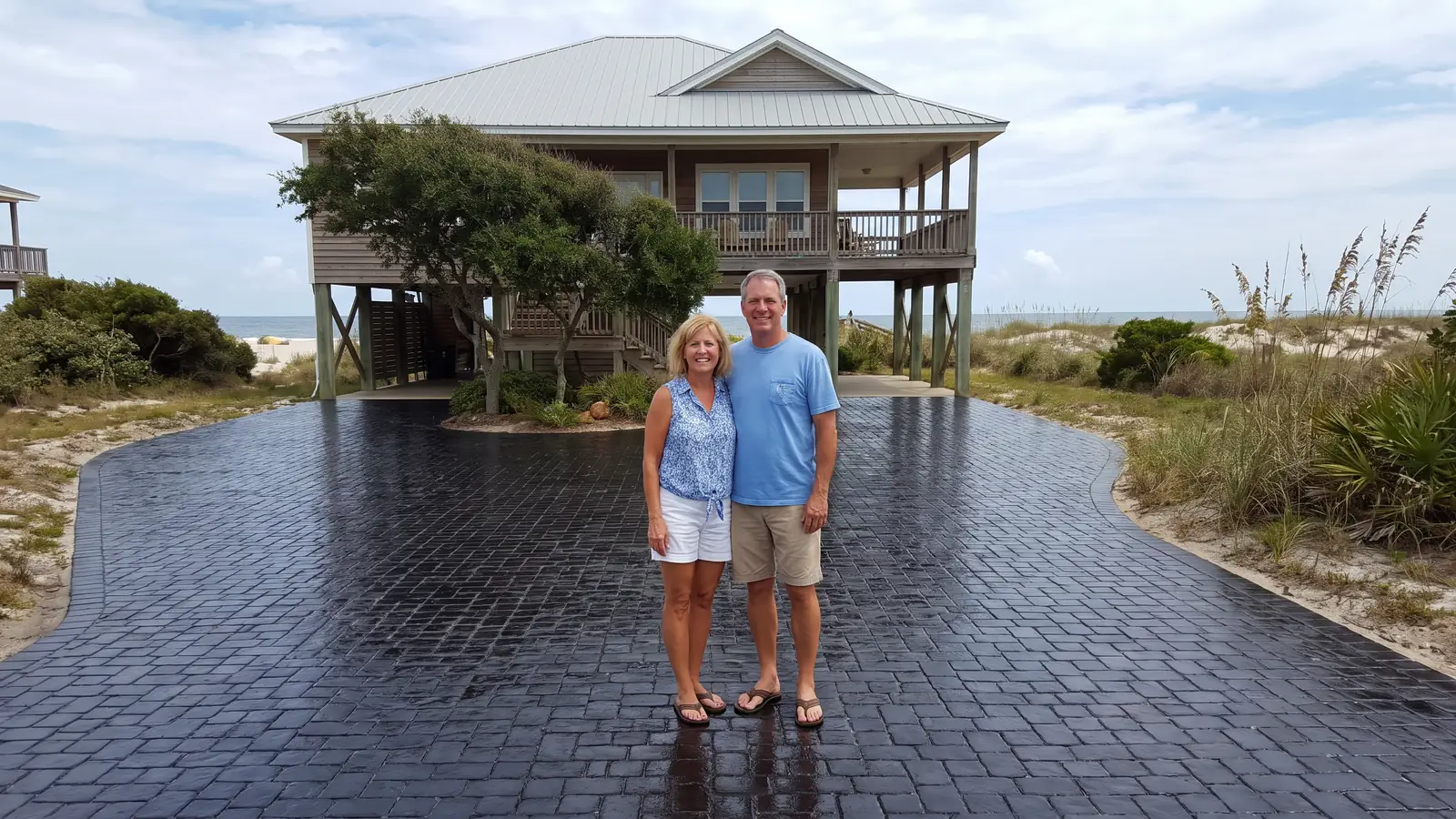
Paver sealing for St. Augustine homes
Paver Sealing in St. Augustine, FL
St. Augustine pavers sit near sea level beside the Matanzas, so call (904) 468-6386 for a free sealing estimate.
- Brings out deeper paver color
- Fresh joint sand helps lock pavers in place
- Gives weeds less room to grow
- Makes the surface easier to keep clean
- Free estimate, no obligation
Request a Free Estimate
Free, no obligation.
Fast, careful paver sealing in St. Augustine
Paver sealing is available across St. Augustine, from the brick streets downtown to Fullerwood Park beside Hospital Creek. A local contractor washes, re-sands and seals driveways, walkways and pool decks, and you get a free estimate first. Start with send in the short estimate form, and the answer lands within 1 business day, usually much sooner than that.
Picture a driveway with a gray film in the low corner and green creeping along the shaded edge. After a wash, fresh joint sand and a new coat, those pavers go back to one even color. If you would like to talk it over first, call (904) 468-6386 and describe what you see on your driveway, walkway or pool deck, including how long the surface stays wet after a storm.
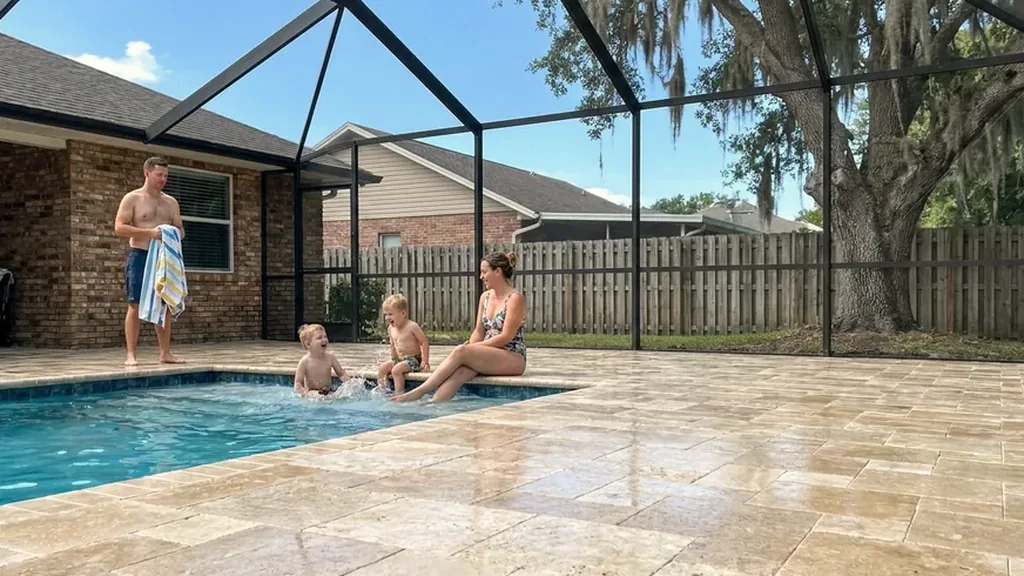
Why hire a local paver sealing contractor in St. Augustine?
People in St. Augustine tend to call a local paver contractor because tides, old stone and tight streets all shape how a job should go. To hear how that fits your block, send in the short estimate form.
See it first
A contractor looks at your St. Augustine driveway in person and writes up a free estimate, with nothing to sign that day.
A range you can check
Local companies commonly post $1.75 to $3.25 a square foot for washing, re-sanding and sealing, so you can test any quote.
Matte or shine
Ask to see both on a test spot. A wet look shows scuffs sooner, which counts on a drive used every day.
Gentle near old walls
Soft washing protects coquina and stucco, so ask how rinse water will be kept off those walls.
Get Your Free Estimate in St. Augustine
Tell us about your pavers in St. Augustine.
Free, no obligation
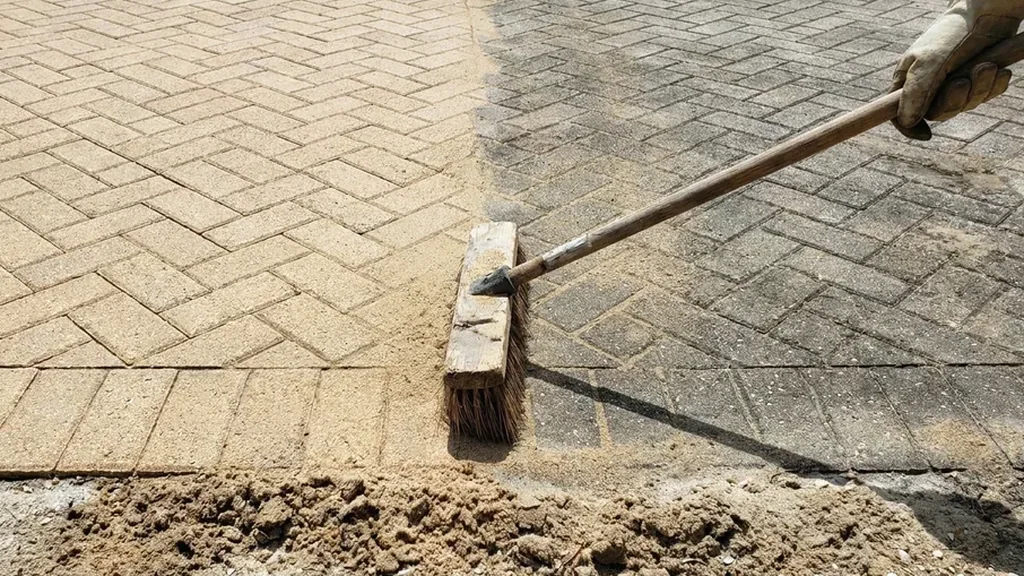
What paver problems show up most in St. Augustine?
Sandy fill that drains slowly
The USDA describes the St. Augustine soil series as sandy fill with shell fragments, rated somewhat poorly drained, on flats beside tidal marsh. The city says some of its soils do not drain well and that about 90 percent of residents live in a floodplain. Pavers that sit in water after a storm stay damp longer, which feeds algae and slowly loosens the joints. That is why a contractor checks low corners and yard edges before choosing when to seal. The city names Hospital Creek, Salt Run, Oyster Creek and the San Sebastian River among its water bodies, so many yards sit close to tidal water.
Salt from the bay and the river
Salt water is close from almost any St. Augustine address. The Matanzas River is a saltwater estuary with a tidal range of up to 6 feet. A St. Augustine paver company says salt crystallizes in paver pores and can shorten the time between coats to 2 or 3 years near the water, against about four elsewhere. Pavers close to the bay may need attention sooner than ones inland. A chalky look or a rough, dull feel under your hand often points to salt wear rather than plain dirt. Water makes up about 22 percent of the city's area, and the St. Augustine Inlet links the Matanzas River to the Atlantic.
Joint sand that storms carry off
St. Augustine averages about 50.6 inches of rain a year, and August and September each bring more than 7 inches. A local company says many installs here used play sand, which storms and sprinklers wash out. Once the joints thin, weeds move in and the pavers can shift, so sand gets replaced before any sealer goes down. Seeing weeds in the joints is a good sign that this step is due. Summers bring daily thundershowers and short, intense downpours, so joints thin out faster here than many owners expect.
Brick, coquina and stucco next door
Downtown has a St. Augustine Blend brick paver made to match the tans and light reds of historic brick, and coquina from Anastasia Island built the Castillo and many property walls. Soft washing, not pressure, is what Safe Touch advises for coquina and historic stucco. A contractor who cleans your pavers has to protect the soft stone beside them. That means gentler washing near walls and careful rinse water near plant beds. Lincolnville's small lots and houses close to the street leave little space between pavers and walls, so rinse planning matters.
A coat nobody wrote down
Many St. Augustine homes have changed owners more than once, so the sealer on your driveway may be unknown. Water-based sealer cannot go over solvent-based sealer, and old coats that are cloudy or peeling may need stripping first. Testing a small spot tells the contractor what is there before the new coat is chosen. It also shows whether stripping will be needed, which changes the quote. A paver driveway in Nelmar Terrace or Fullerwood Park is newer than the house, so nobody may remember which sealer was used.
Does the part of St. Augustine you live in change the sealing plan?
Yes, a little, because the city mixes old districts and later streets that sit on different ground. Fullerwood Park lies east of San Marco Avenue with gridded streets, and its edge curves along tidal marsh and Hospital Creek. Most of its homes are one or two stories in Colonial Revival or Bungalow style. Mention the creek side when you send in the short estimate form, since damp ground changes how long pavers stay wet after rain.
Nelmar Terrace was platted in 1886 and re-platted in 1913, with big lots, deed restrictions and a trolley up San Marco Avenue by 1914. Lincolnville, founded by freedmen in 1866, has narrow streets and houses close to the roadway, which leaves little room for equipment. Abbott Tract covers 17 blocks near Matanzas Bay. Call (904) 468-6386 and name your neighborhood so the contractor can plan access and parking for the equipment.
The city requires a Certificate of Appropriateness for most work inside its five Historic Preservation zoning districts, and it says owners can find their district on its GIS map. Replacing features with matching materials may be approved without a full board review. The city pages do not mention sealing by name, so a short call to city staff is a fair first step. Once you know where your lot stands, send in the short estimate form.
What does paver sealing cost in St. Augustine?
The region's companies commonly publish a price of $1.75 to $3.25 per square foot to clean, sand and seal. Where you land in that range depends on size, how much joint sand is missing and whether the surface is concrete or stone. Failed sealer that has to be stripped costs more, and travertine often does too. To see how your yard prices out, send in the short estimate form.
Access can move a quote on narrow St. Augustine lots, since gates and tight side yards slow the work. Companies commonly quote two to five years between coats, and homes near the water often sit at the short end. A small area near the entry may cost less to do than a full driveway and walkway together. Call (904) 468-6386 to ask about splitting a job into parts, so the most worn area gets done first.
| Paved area | Typical example | Clean, sand and seal |
|---|---|---|
| 300 sq ft | Small patio or walkway | $525 to $975 |
| 600 sq ft | Two car driveway | $1,050 to $1,950 |
| 1,000 sq ft | Large driveway or pool deck | $1,750 to $3,250 |
| 1,500 sq ft | Driveway plus pool deck | $2,625 to $4,875 |
Math based on the $1.75 to $3.25 per square foot that Northeast Florida paver companies publish. Your contractor sets the actual price after seeing the surface. Repairs, leveling and stripping failed sealer are usually extra.
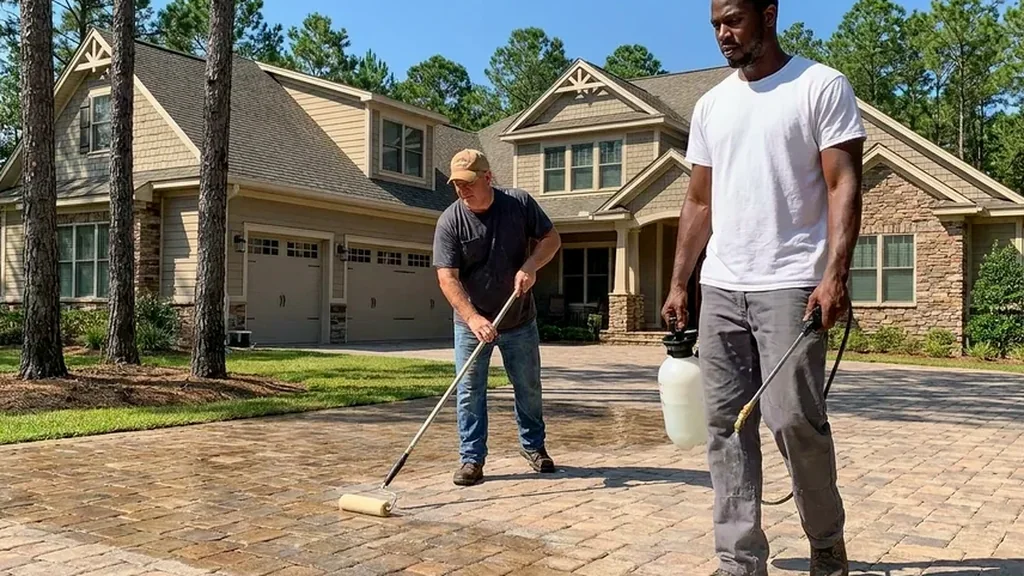
How does a paver sealing job work in St. Augustine?
The walk-around
On the first visit the contractor walks the driveway, walkway and pool deck. Low corners, loose pavers, stains and old sealer all get noted, and a test spot shows which coat is already there. Coquina, brick or stucco near the pavers is marked so it is protected. The contractor also asks how the yard drains, since low corners shape the wash and the drying time. Measurements are taken for each area so the written estimate lists them one by one.
The wash
Salt film, algae and silt come off with moderate pressure. Near coquina walls the wash switches to a softer method, and rinse water is steered toward the lawn instead of the stone. Rust and oil spots get their own treatment so they are not sealed in. A second pass over stained spots may follow, and the contractor tells you which marks came out and which look permanent.
The wait
Then the pavers rest. In summer that may mean waiting out a few storms, and in a low yard it can mean a full day. Sealing over damp pavers can leave a milky coat, so the contractor does not rush this stage. November through April often brings long rainless stretches, which is why many owners book then.
Sand and edges
Fresh joint sand is brushed in and packed until the joints are full. Edge pavers get a second look, and any that rock or have sunk are flagged for an installer before anything is sealed over them. The sand grade is chosen to pack tightly, so it holds in the joints through the first wet season.
The coat
Sealer goes on by low pressure sprayer and is rolled flat. You can walk on it within hours, but cars wait about a day, so plan where to park. Keep sprinklers off the pavers until the coat has cured. A final walk-through with you covers the look, the finish and when the surface can take weight.
Complete paver services in St. Augustine
Expect the work in four moves: wash, dry, sand, seal. The wash lifts salt film, algae and silt, and the pavers then rest for a day. New sand fills the joints before the sealer is sprayed and rolled on. To get a date on the calendar, send in the short estimate form.
Concrete pavers are the norm on newer driveways, while the historic core adds brick and stone. Brick and travertine soak up more sealer than concrete and call for their own product. Coquina and stucco nearby get gentle rinsing. Tell the contractor what you have when you call (904) 468-6386.
Choose between a penetrating sealer and a film-forming one. The penetrating kind costs less now and wears out sooner, while the film kind costs more and gives a wet look. An unknown old coat is tested first, because water-based sealer cannot go over solvent-based sealer. To see a test spot, send in the short estimate form.
Plan the job for the dry months if you can. November is the driest month in St. Augustine at about 2.3 inches, and August is the wettest at about 7.2. New pavers should rest 60 to 90 days before a first coat, and cars wait about a day after sealing. Call (904) 468-6386 to hold a week.
Questions to ask before you hire
- Will someone walk the finished job with me before I pay?
- Has the sealer you plan to use been tested on pavers near salt water and sea spray?
- Can I see a written estimate with the sealer product and the number of coats on it?
- If wind or afternoon showers come up on the day, what happens to the job?
- Will you tell me the square footage you measured and what each square foot costs?
- Can you remove the green algae and the rust spots that sprinklers leave behind?
- Do you rinse the salt off before the sealer goes on, or only wash the surface?
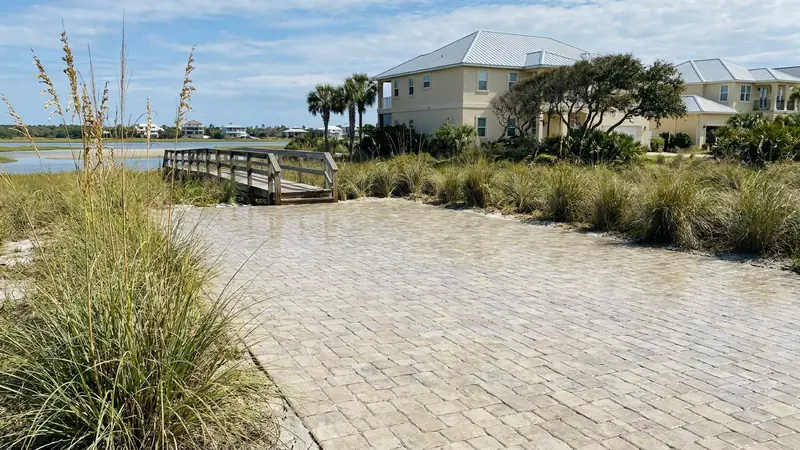
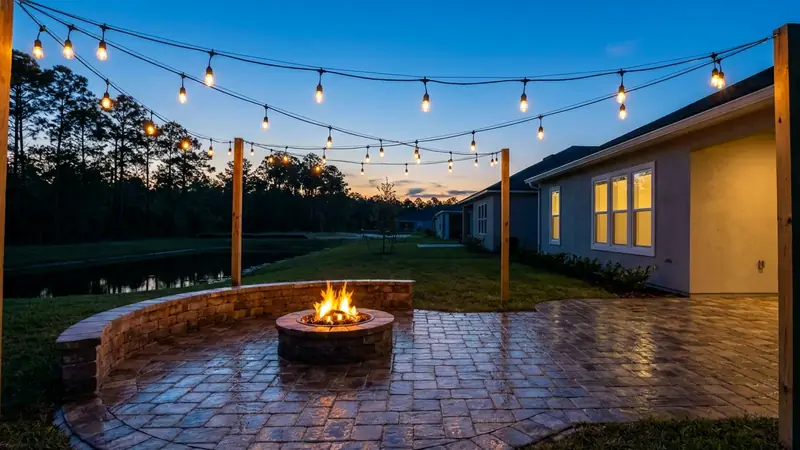
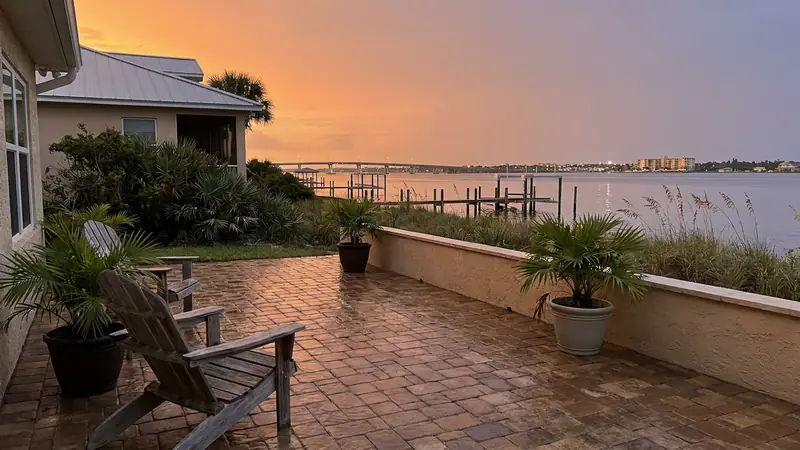
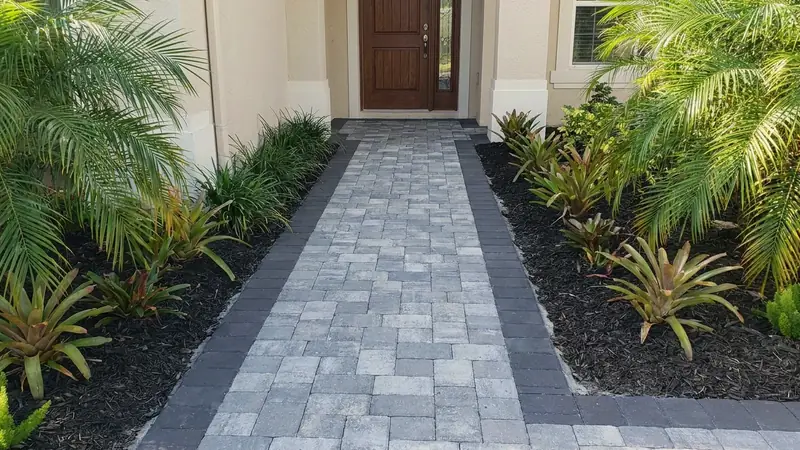
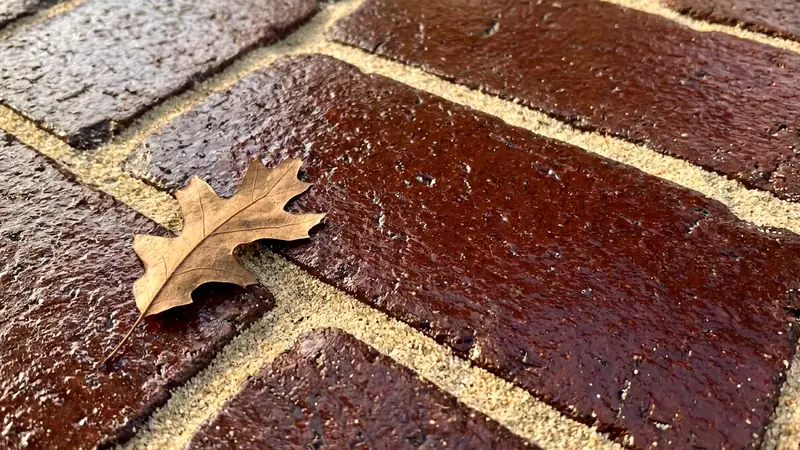
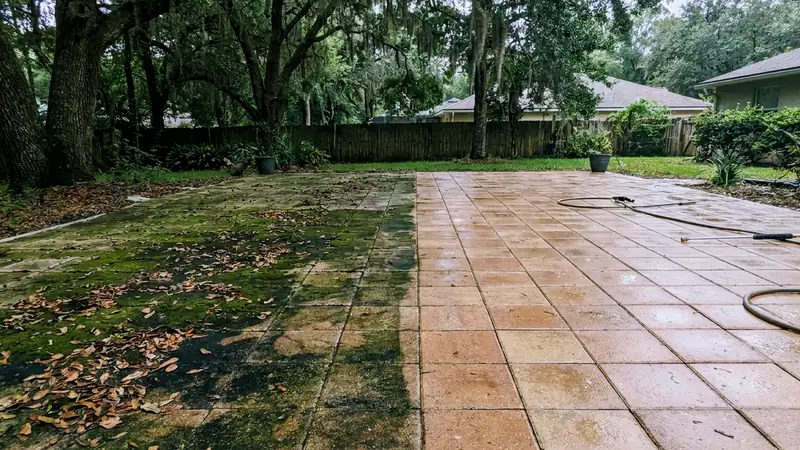
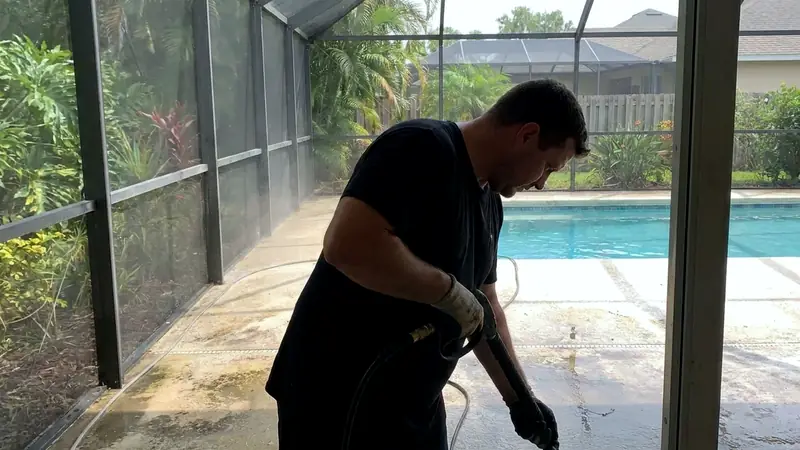
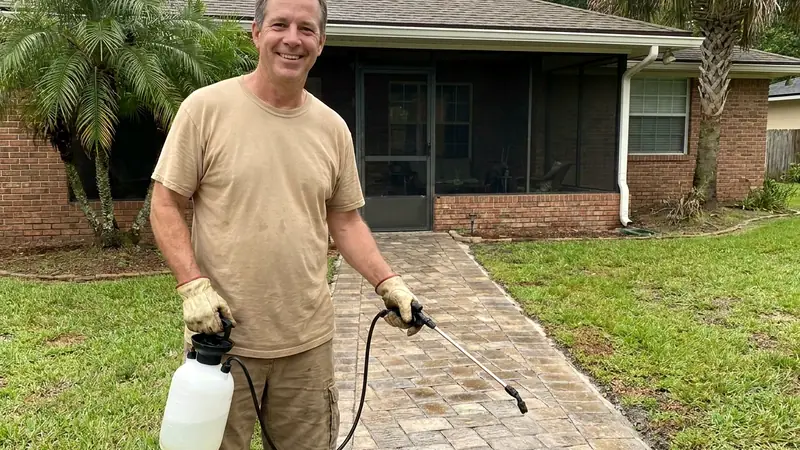
What do sealed pavers look like around St. Augustine?
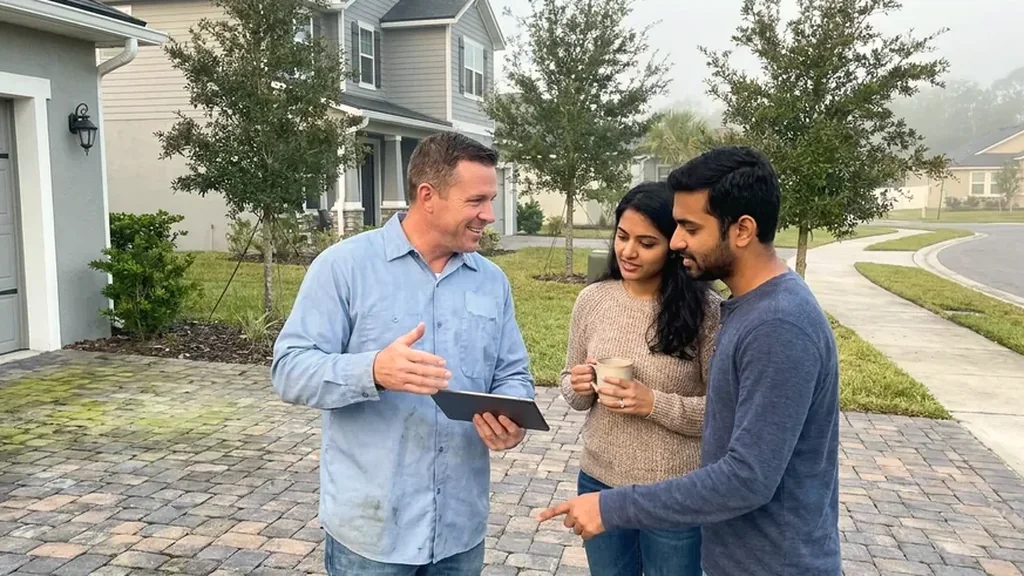
Why local matters in St. Augustine
A contractor who works here knows that rain and high tide can arrive together, and that low yards may hold water for hours. That affects when a driveway is dry enough to seal. Waiting for the right day is part of the job here, and a local contractor plans for it. To schedule around the tides and the forecast, send in the short estimate form.
Local work also means knowing how the older districts handle outside changes. Some blocks fall under historic review, and others have narrow frontage that limits parking for equipment. Call (904) 468-6386 and describe your street so the visit is planned correctly. A short description of gates, parking and nearby walls saves time on the first visit.
Someone who has sealed pavers near salt water can tell chalky salt wear from ordinary fading. That helps the contractor suggest a coat length that fits your lot, whether it is a shaded side yard or a sunny drive. It also helps when a reseal date is chosen for a pool deck, where slip resistance matters. When you want a straight answer on whether your pavers are due, send in the short estimate form.
What should I say about my St. Augustine address when I ask for a quote?
Name your neighborhood and the nearest landmark, because that tells a contractor what ground and what rules to expect. The Castillo de San Marcos, begun in 1672 from coquina, anchors the old city, and the Bridge of Lions carries A1A across Matanzas Bay to Anastasia Island. Flagler College fills the former Ponce de Leon Hotel from 1888. Call (904) 468-6386 and tell them which side of those landmarks you live on.
The city was founded in 1565 and is the St. Johns County seat. Fort Mose, set up in 1738, sits on the marsh edge north of town, and the St. Augustine Lighthouse stands at the north end of Anastasia Island. St. George Street runs through downtown as a pedestrian street with historic houses. Wherever you live, you can send in the short estimate form and a contractor will confirm that your area is covered.
Frequently Asked Questions
How much is paver sealing per square foot in St. Augustine?
Published rates around here run $1.75 to $3.25 a square foot to wash, re-sand and seal a surface. Stripping old sealer, repairing joints and working with stone can push a job higher, and so can the size of the area. A free estimate gives you the real number for your pavers, and it may include several options for finish and coat type. A short list of your driveway, walkway and pool deck sizes speeds up the estimate.
Is it good to seal pavers here in St. Augustine?
Yes, because sealing helps keep joint sand in place and slows fading and algae. Local companies say storms and sprinklers wash out sand, and sealing locks the replacement sand in. Sealed joints also resist weeds and ants better. It is not required, but it makes the next cleaning easier. Sealed joints also resist weeds and ants better, which helps in sandy ground.
Why seal pavers in St. Augustine instead of leaving them bare?
Bare pavers soak up moisture, salt and dirt, and the sun fades them over a few seasons. Weeds and ants also find it easier to move in when joint sand is loose. Near the bay, salt can work into the pores. A sealed surface lets dirt and algae grip less, so cleaning is easier. Sealing also helps pavers keep their color through long summer sun.
Can brick pavers be pressure washed in St. Augustine?
Brick can be washed, but the pressure has to be controlled and the job done with care. Heavy pressure can scar brick and blast sand out of the joints. A contractor adjusts pressure and refills the joints after washing. Soft stone nearby, like coquina, is washed more gently. Soft washing is the usual method beside coquina and historic stucco.
How often should pavers be resealed in St. Augustine?
Two to five years between coats is the span local companies commonly quote. Pavers near the water or in full sun tend to need a coat sooner, while shaded ones may hold on longer. Look for a surface that no longer beads water as a sign it is time. A contractor can also test a small spot and tell you how much life the coat has left. A wet look shows wear sooner than matte, so it may need a coat sooner.
How long until I can drive on sealed pavers?
Foot traffic is usually fine within a few hours, and cars generally stay off for about a day, so plan where to park. Rain or irrigation too soon can mark a fresh coat. The contractor will tell you when your coat has cured. Wet weather can add a day, so book with some room in your schedule. Rain too soon can mark a fresh coat, and the wet season runs May through October.
Do I need approval to seal pavers in a St. Augustine historic district?
The city requires a Certificate of Appropriateness for most work in its five historic districts, but its pages do not name sealing. Ask city staff before you book if your lot is inside a district, and keep any reply for your records. The city's GIS map shows which district an address is in.
What if there is already sealer on my pavers in St. Augustine?
The contractor will test to learn what the old coat is. A water-based product will not bond over a solvent-based one, and a failed coat may have to come off first. A cloudy or peeling look is the usual sign. Stripping adds cost, so ask for it to be listed separately. A test spot usually answers the question before any work begins. A small test spot in a hidden corner usually answers the question within minutes.
Ready for a Free Estimate in St. Augustine?
Call (904) 468-6386 and tell us about your pavers.
Free, no obligation