
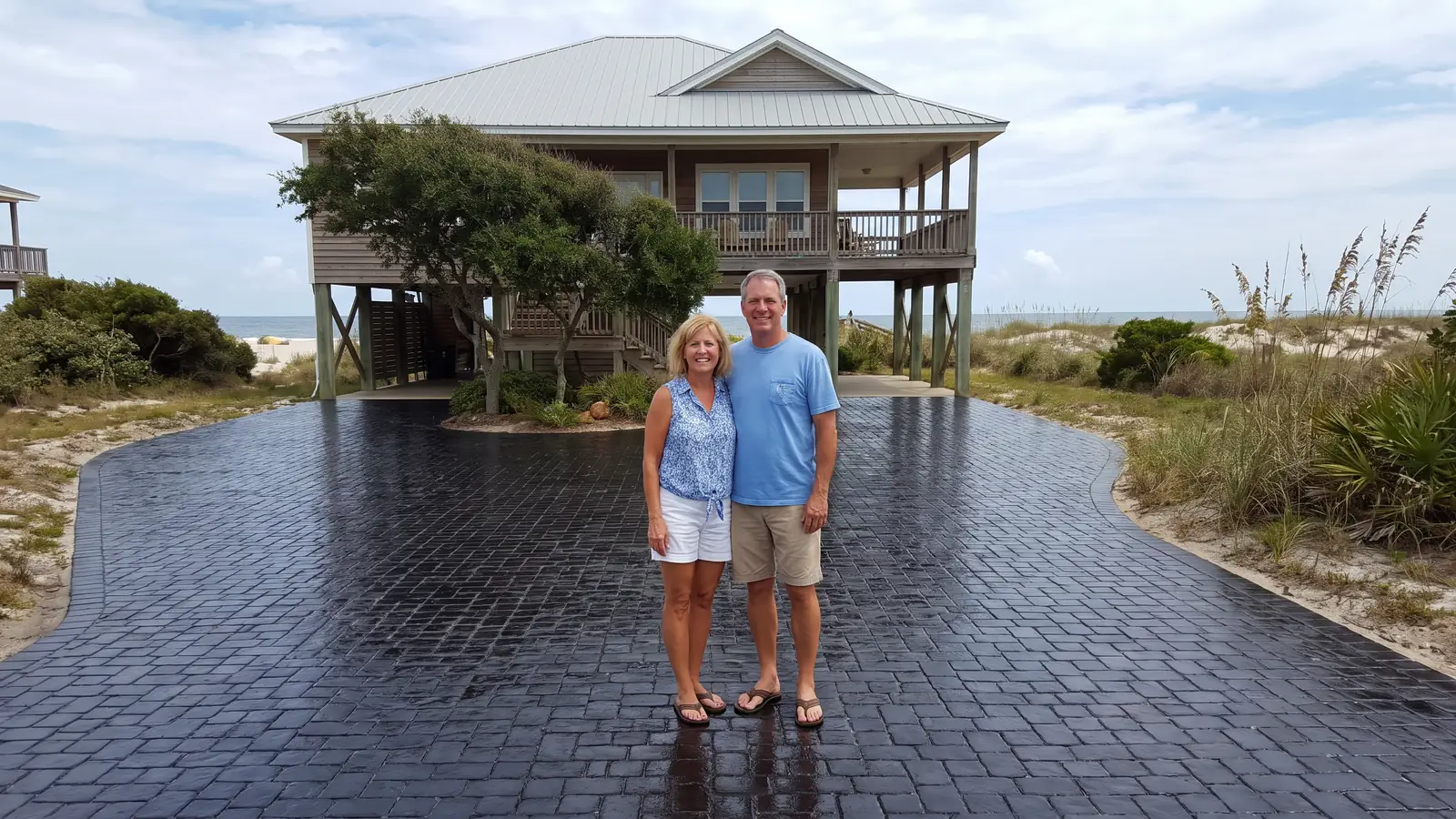
Paver sealing for Anastasia Island homes
Paver Sealing in Anastasia Island, FL
Salt, blowing sand and summer storms all reach Anastasia Island driveways, so call (904) 468-6386 for a free sealing estimate.
- Brings out deeper paver color
- Fresh joint sand helps lock pavers in place
- Gives weeds less room to grow
- Makes the surface easier to keep clean
- Free estimate, no obligation
Request a Free Estimate
Free, no obligation.
Fast, careful paver sealing in Anastasia Island
Paver sealing is available across Anastasia Island, from the lighthouse end through St. Augustine Beach down to Crescent Beach. A local contractor cleans, re-sands and seals pavers on driveways, pool decks and beach walkways, with no charge for the estimate. Send in send in the short estimate form and watch for a reply within 1 business day, often much sooner.
Maybe your driveway has gone chalky and pale from years of sun and salt, with sand drifting out of the joints. The fix is a rinse, new joint sand and a fresh coat, which brings back the color and keeps the sand from drifting. To talk it over first, call (904) 468-6386 and tell the contractor about the pavers at your front door, your pool or your beach walkover.
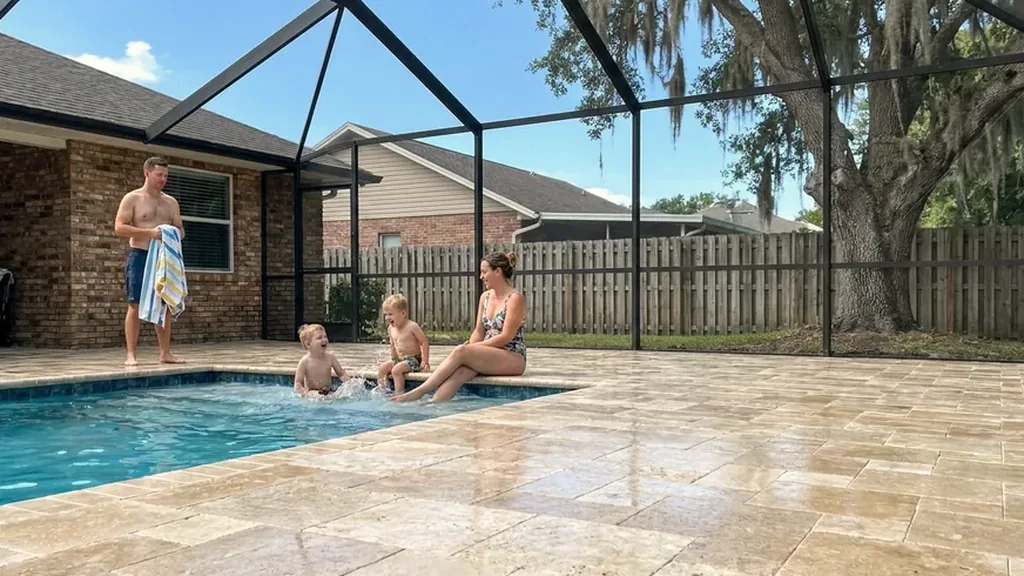
Why hire a local paver sealing contractor in Anastasia Island?
Islanders tend to pick a local paver contractor because tides, dune sand and salty air change what a good job looks like. If you want to know how that plays out on your street, send in the short estimate form.
Estimate in writing
The estimate is free and written down, and you hear back within 1 business day, often much sooner.
A price yardstick
Regional rates run $1.75 up to $3.25 for each square foot of cleaning, sand and sealer, which gives you a way to judge any bid.
Steadier on wet feet
Matte feels steadier when wet, so pool decks and beach walkways can get a different finish than the drive.
Salt-wise planning
Crews who work by the ocean can judge salt wear and suggest how long a coat should last on your block.
Get Your Free Estimate in Anastasia Island
Tell us about your pavers in Anastasia Island.
Free, no obligation
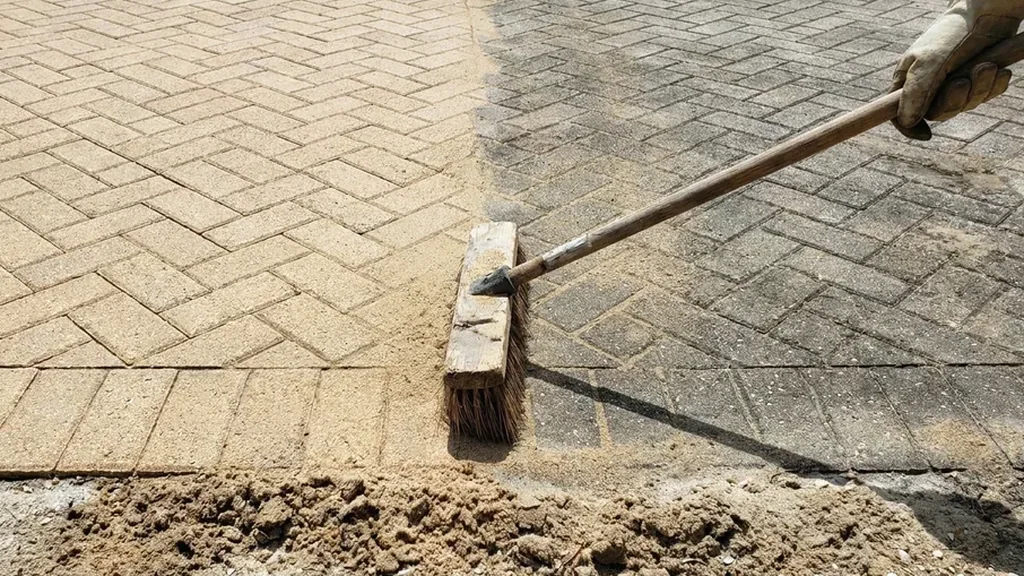
What paver problems show up most in Anastasia Island?
Spray off the ocean and the river
The island is about 14 miles long and averages one mile wide, so salt water is never far. The UF gardening guide notes that salt spray damage shows up for many people within a couple of miles of salt water. A St. Augustine paver company says salt crystallizes in paver pores and can cut the time between coats to 2 or 3 years near the water. Chalky, faded pavers are the usual sign. A fast way to see it is to look at the side of the drive that faces the water and compare it with the side that does not. Pavers closer to the water often look duller. The island's beaches and Anastasia State Park, which covers about 1,600 acres of beach, tidal marsh and hammock, keep salt air moving across the whole strip.
Beach sand in the joints
The University of Florida describes coastal soils as sandy and high in pH, and the island is mostly sand over coquina. Sand is a fine filler when it stays put, but wind and storm water move it around. Loose or uneven joints invite weeds and let pavers shift. A contractor sweeps in fresh joint sand after washing, then seals so it stays where it belongs. If the joints keep emptying after every storm, that is a clue the old sand was never packed tight. Wind on the island makes the problem show up sooner than it would inland. The Atlantic is on one side and the Matanzas River on the other, so wind brings sand and spray from either direction.
Filled ground that still collects water
The northwest corner of the island was swampy lowland until 1925, when a dredge-and-fill project raised 1,500 acres into Davis Shores, with curving streets and triangular lots. The city says it floods when regular rain lines up with high tide. Pavers that sit in standing water stay damp, which feeds algae and leaves silt behind that has to be washed off before any sealer goes on. Davis Shores was laid out with curving streets, wide boulevards and triangular lots, so odd lot shapes mean the contractor measures each paved area with care.
Travertine and shellstone at the pool
A local power washing company says homes here often have travertine and shellstone on patios and lanais. A coastal paver company says travertine soaks up more than brick pavers and stains more easily, so it is sealed matte by default. Matte also keeps feet steadier around a wet pool, so stone areas get their own plan. Sealing also makes day to day cleaning of the stone easier, since dirt grips a sealed surface less. Matte is also the quieter look beside natural stone, which is why many pool decks are done that way.
A white haze from a muggy afternoon
A St. Augustine paver company says a sealer film laid on a muggy afternoon can trap moisture and turn white overnight. Island air stays humid most of the year, so the day and hour of the work matter. A contractor who watches the dew point and the forecast avoids that cloudy look, which is hard to fix once it has cured. If you see a milky patch on an older coat, mention it, because the contractor may need to strip the area before applying anything new.
Do pavers at the lighthouse end wear differently than pavers near Crescent Beach?
A little, because Anastasia Island changes as you head south, from the lighthouse end to the beach towns. At the north end the St. Augustine Light, 165 feet tall and finished in 1874, stands near Davis Shores, the raised land with its wide boulevards and triangular lots. Lots here sit low, so water and silt matter most. Tell the contractor your street when you send in the short estimate form.
St. Augustine Beach runs from the Atlantic west to State Road A1A, with Pope Road on the north. It was incorporated in 1959 and sits at about 10 feet above sea level. Crescent Beach, farther south, is at 7 feet and had 844 residents in 2020, while Butler Beach was founded by Lincolnville businessman Frank Butler as a beach resort. Call (904) 468-6386 and name the beach you live nearest.
ZIP code 32080, which covers the island, had 21,889 people and 16,510 housing units at the 2020 Census. About 38 percent of those units were vacant, a count that includes homes held for occasional use. Some owners are away for months, which means a contractor may need a set time and a lockbox or a neighbor for access. When you are ready, send in the short estimate form.
What does paver sealing cost in Anastasia Island?
Rates posted by regional companies span $1.75 up to $3.25 for each square foot of cleaning, sand and sealer. Anastasia Island jobs run higher when failed sealer must be stripped, when joints need a lot of sand, or when travertine is involved. A small walkway can cost less than a full driveway. To see where your pavers land, send in the short estimate form.
Salt exposure affects how often you pay. Most companies quote two to five years for a coat, and a driveway close to the water may need one sooner. Gates, narrow beach lots and limited parking can add time. If you own a rental or a second home, call (904) 468-6386 and ask about scheduling the work while it is empty.
| Paved area | Typical example | Clean, sand and seal |
|---|---|---|
| 300 sq ft | Small patio or walkway | $525 to $975 |
| 600 sq ft | Two car driveway | $1,050 to $1,950 |
| 1,000 sq ft | Large driveway or pool deck | $1,750 to $3,250 |
| 1,500 sq ft | Driveway plus pool deck | $2,625 to $4,875 |
Math based on the $1.75 to $3.25 per square foot that Northeast Florida paver companies publish. Your contractor sets the actual price after seeing the surface. Repairs, leveling and stripping failed sealer are usually extra.
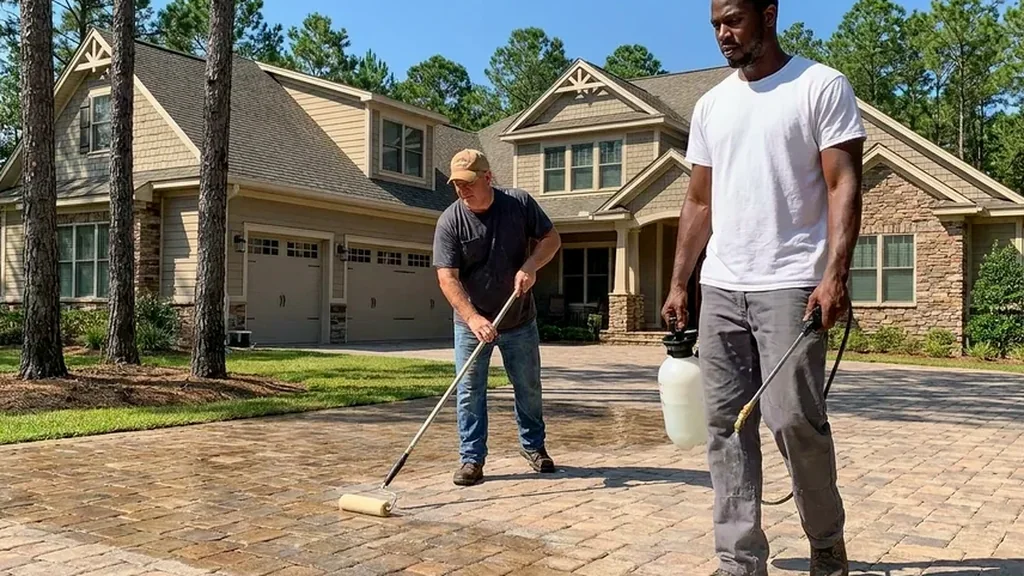
How does a paver sealing job work in Anastasia Island?
Look and test
The contractor looks over each paved area and checks for settled spots, chalky color, stains and an old coat. A small test shows whether the old sealer is water-based or solvent-based. Salt exposure is noted too, since it affects how the job is planned. Walkovers, steps and the apron by the garage are included so nothing is missed in the quote. Notes from the visit go into the written estimate so each paved area is listed on its own.
Rinse off the salt
Salt film, algae and silt are washed away with controlled pressure, starting at the high side of the slab. Extra pressure can scar the surface and blow sand from the joints. Pavers beside stucco or shellstone get softer handling, and runoff is directed away from planting beds and sea oats. Wash water is kept on your lot where it can be, away from the beach walkover and the street.
Wait for dry air
Island air holds moisture, so the contractor waits for dry pavers and a low-humidity window. On the island that sometimes means starting late in the morning, after the dew has burned off. A coat laid on damp pavers can turn white, and a storm cell building over the marsh is reason enough to stop for the day. Dew and a sea breeze can slow drying, so a clear morning is worth waiting for.
Top up the sand
Because washing lifts out the old joint sand, fresh sand is brushed in and packed down. The sand is a fine, hard grade made for pavers, not beach sand. Full joints lock the pavers together and keep weeds from taking root. Edge pavers by the garage and steps get extra sand, because wind and rain wear those joints.
Roll on the coat
Sealer is sprayed and back-rolled to an even coat. Walking is usually fine within a few hours, but cars should stay off for about a day. Sprinklers and hoses stay off the pavers until the sealer is fully cured, and water should bead on top when the job is done. Check the coat the next morning for dull or tacky spots and tell the contractor right away.
Complete paver services in Anastasia Island
On the island the wash comes first, because salt film and silt must go before any coat. Then the pavers dry and the joints are topped up with sand. Last comes the sealer, sprayed and rolled. To see your options, send in the short estimate form.
Driveways are usually concrete, but pool decks and lanais may hold travertine, shellstone or brick. Those stones are porous, so they take a different product and a lighter hand. Stone that stays wet around a pool is usually sealed matte. Call (904) 468-6386 with a list of every surface.
Wet look brings out deeper color, while matte reads natural and wears quietly. Film-forming sealers cost more than penetrating ones and last longer on a driveway. An unknown old coat is tested before anything new goes on. To compare two finishes on your pavers, send in the short estimate form.
Sealer cures best on a dry day with low humidity. Fall work after hurricane season gives it a long, dry winter, and November is the driest month at about 2.3 inches. Cars stay off about a day. Call (904) 468-6386 to ask which weeks are open.
Questions to ask before you hire
- How do you protect my palms, shrubs and flower beds from the wash water and sealer?
- Can I see a written estimate with the sealer product and the number of coats on it?
- What do I move off the driveway, and when can the car go back on it?
- Will someone walk the finished job with me before I pay?
- Do you give the pavers time to dry fully after the wash, or seal them the same morning?
- How do you decide between a natural look and a wet look finish?
- Can you remove the green algae and the rust spots that sprinklers leave behind?
What do sealed pavers look like around Anastasia Island?
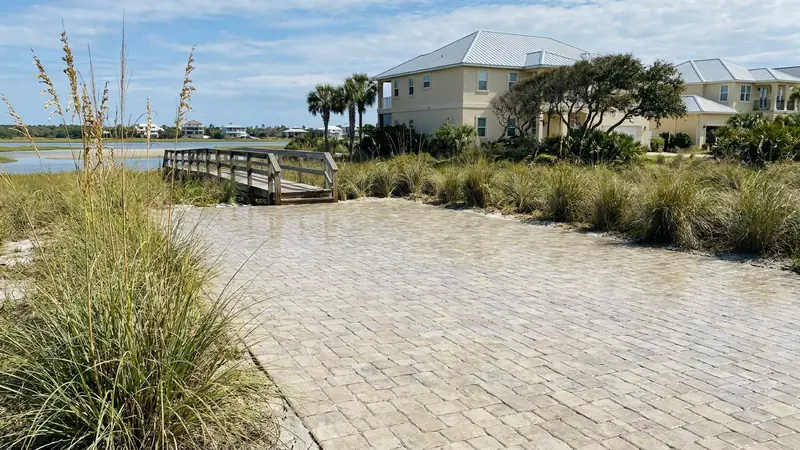
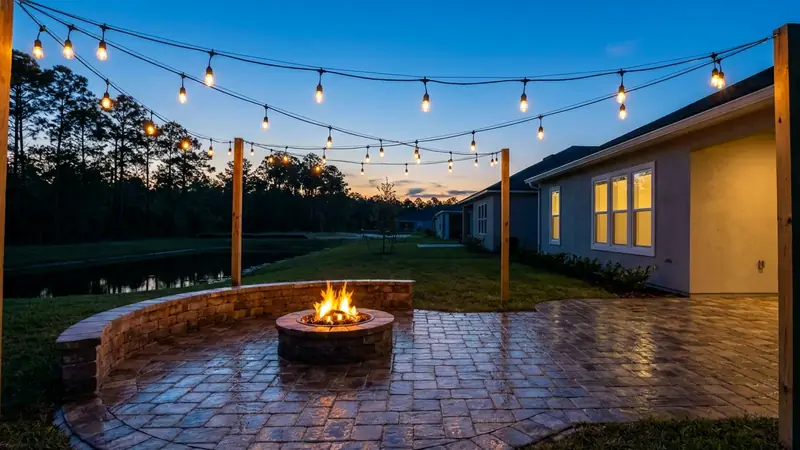
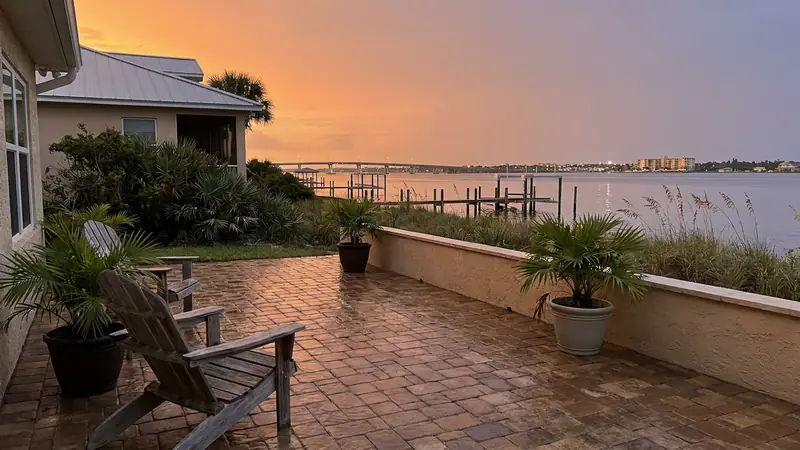
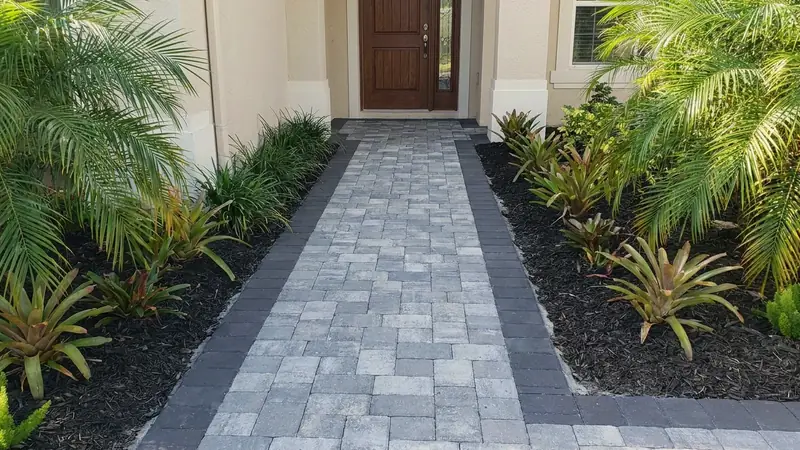
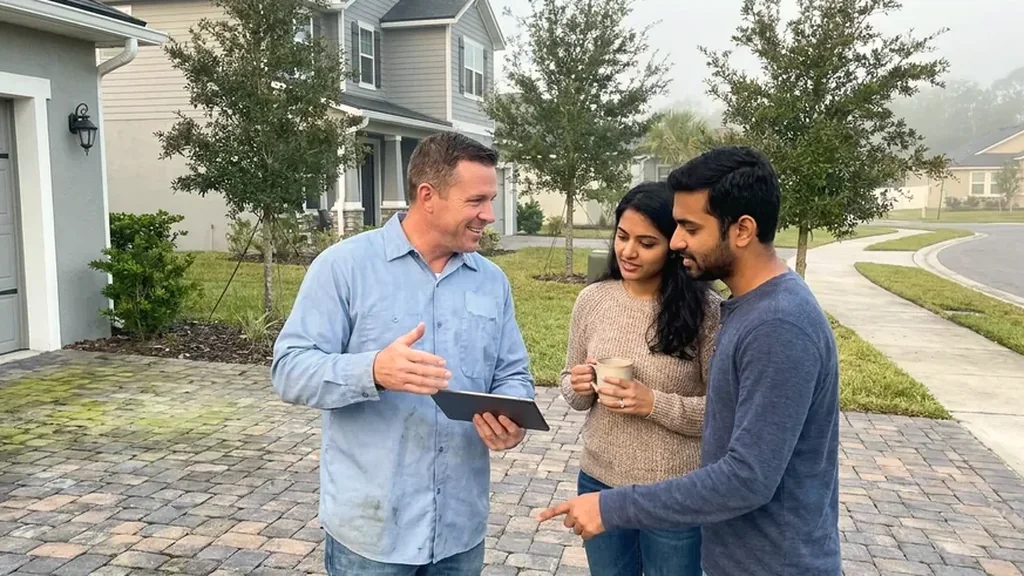
Why local matters in Anastasia Island
A contractor who works on the island knows what salt does over a few seasons. That helps with picking a coat and a finish for each surface, from the driveway to the pool deck to the walkover steps. To talk through your lot and the options, send in the short estimate form. Salt wear shows up as chalky color, and a contractor who sees it often can tell it from plain dirt.
Local crews also know how low the streets in Davis Shores can run after a hard rain, and how long it takes pavers there to dry out. That timing decides the day of the work, so a contractor who knows Anastasia Island streets can plan better. Call (904) 468-6386 and tell the contractor if water tends to pool near your driveway. Streets in Davis Shores were built on filled land, and the city says flooding happens when regular rain meets high tide.
Many homes on Anastasia Island are second homes or rentals, so access and timing need planning, and a short note about keys or gate codes saves a trip. A local contractor can work around guests, gates and tight parking on narrow beach streets. When you want a clear plan with a free estimate, send in the short estimate form. The Census counted about 80 percent of occupied homes in ZIP 32080 as owner occupied, so most jobs are for people who live here or own the place.
How do I describe where I live on Anastasia Island?
Start with the nearest landmark, then your street. The St. Augustine Light stands at the north end, Anastasia State Park covers about 1,600 acres of beach, tidal marsh and hammock, and the Bridge of Lions links the island to downtown across Matanzas Bay. The bridge was begun in 1925 and finished in 1927, and the lighthouse has stood since 1874. Call (904) 468-6386 and name the landmark closest to your Anastasia Island home, then add your street.
Under the island lies coquina, a stone made of donax clam shells, which was quarried for the Castillo de San Marcos. The ground you see is sand over that rock, with marsh on the bay side and the Atlantic on the other, which is why Anastasia Island pavers meet both salt and damp. If you live in Davis Shores, St. Augustine Beach or Crescent Beach, you can send in the short estimate form and a contractor will confirm your area is covered.
Frequently Asked Questions
Is it good to seal pavers on Anastasia Island?
Yes, since an island driveway takes salt from both the ocean and the river. A sealed surface sheds dirt more easily and holds joint sand better. You are not required to seal, but you will likely clean less. Homes that sit close to the ocean see the benefit sooner than homes inland. A sealed surface also lets sand and salt rinse off with a hose.
How much does it cost to re-sand and seal pavers on Anastasia Island?
Regional shops post $1.75 up to $3.25 for each square foot of cleaning, sand and sealer, before extras. The final price depends on size, joint sand needs, stone and any old sealer that must be stripped. A free estimate gives the exact figure, and it should list stripping, stone and joint sand on separate lines so you can compare.
Which paver sealer works well on Anastasia Island pavers?
The right sealer depends on the surface and the look you want. Penetrating sealers last a shorter time, and film-forming sealers give a wet look. Travertine usually gets matte. A contractor will test the old coat before choosing, and may show you small samples so you can see the finish on your pavers. Matte is the usual pick beside natural stone, and wet look is the usual pick on a plain driveway.
Why is paver sealing so expensive on Anastasia Island?
Most of the cost is preparation, not the sealer itself. A paver company in the area says every hour of sealing takes 2 to 3 hours of prep. Washing, drying, re-sanding and stripping old coats all take time. A rushed job over dirty or damp pavers tends to fail early, so the cost reflects the steps that make the coat last.
How often do you need to reseal pavers near the ocean?
Most quotes assume two to five years between coats, the range companies commonly give. Salt air and strong sun push pavers closer to the short end. If water no longer beads on the surface, it is a good time to book an estimate. Pavers by the pool or the beach walkover may need attention before the driveway does. Pavers beside the water usually show wear before those on the inland side of the island.
Will salt spray hurt freshly sealed pavers?
Once the coat has cured, salt sits on the sealer rather than soaking into the pores. That makes it easier to rinse away. Fresh sealer should stay dry for about a day, so avoid sprinklers and rain if you can. The contractor can tell you which days look best.
Can sealing be done while I am away from my Anastasia Island home?
Often yes, if the contractor has gate access and the surface can stay dry for a day. Pets and vehicles need a plan. Tell the contractor your dates when you ask for an estimate. Many owners also leave a note about pets, alarms and where hoses are located. A lockbox, a neighbor or a set appointment can solve access for the contractor.
Do travertine pool decks on the island need a different sealer?
Yes, because travertine is more porous than concrete pavers and stains more easily. Many contractors seal it matte by default, which also feels steadier when wet. The contractor will pick a product made for stone. Ask for a test spot first if the pool deck has a color you want to keep. A matte sealer is the common choice on stone at the pool, though your contractor will confirm after testing.
Ready for a Free Estimate in Anastasia Island?
Call (904) 468-6386 and tell us about your pavers.
Free, no obligation